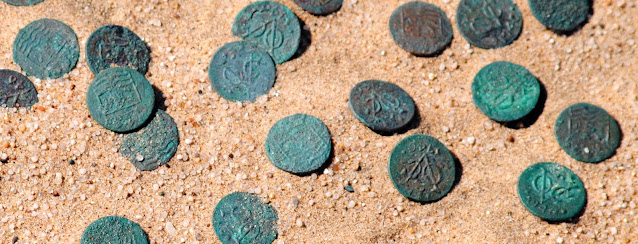
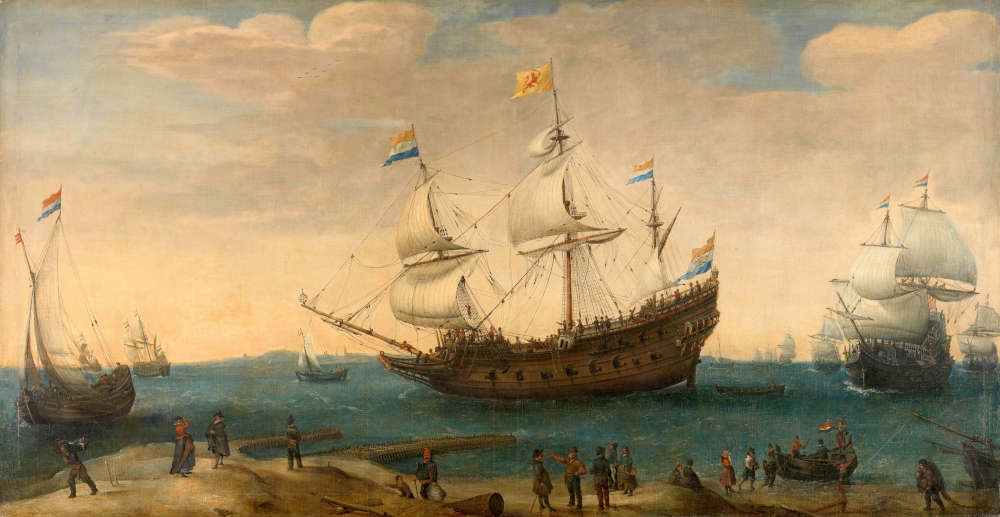
Ask any old-timer at the Club about Meob Bay and sooner or later someone brings up the coins. Little copper discs, washed up on the beach after a big blow, worn smooth but still readable if you knew what you were looking at. “VOC” stamped into them. Vereenigde Oos-India Companjie.
Turns out there’s a proper story behind them, and it’s older than anyone’s grandfather.
Back in 1747 a Dutch trading ship called the Vlissingen left Middelburg, headed round the Cape for Table Bay. She was loaded with goods for the Far East trade – the kind of cargo the Dutch were making their fortunes on back then, before the days of tankers and container ships. Something went wrong off our stretch of coast. Maybe she came in too close looking for fresh water, maybe the current just got the better of her. Either way, she never made it round. She went down a few kilometers south of Meob Bay, and the sea kept quiet about it for the better part of 260 years.
It was only when researchers started poking around – a maritime archaeologist by the name of Bruno Werz led the dig – that the story came together properly. Close to 900 of those little copper “doits” (or Duite in Dutch) turned up, all minted the same year, 1746, in the same town in Holland. One ship, one cargo, scattered across a beach that maybe a handful of people visit in a lifetime.
And the Vlissingen isn’t alone out there. Namibia’s coast has something like 119 known wrecks on it start to finish, and our little bit of it has more than its fair share.
Next time you’re standing on that beach waiting for a bite, have a look at what’s washing round your boots. You never know what year it’s from.