Historical Background

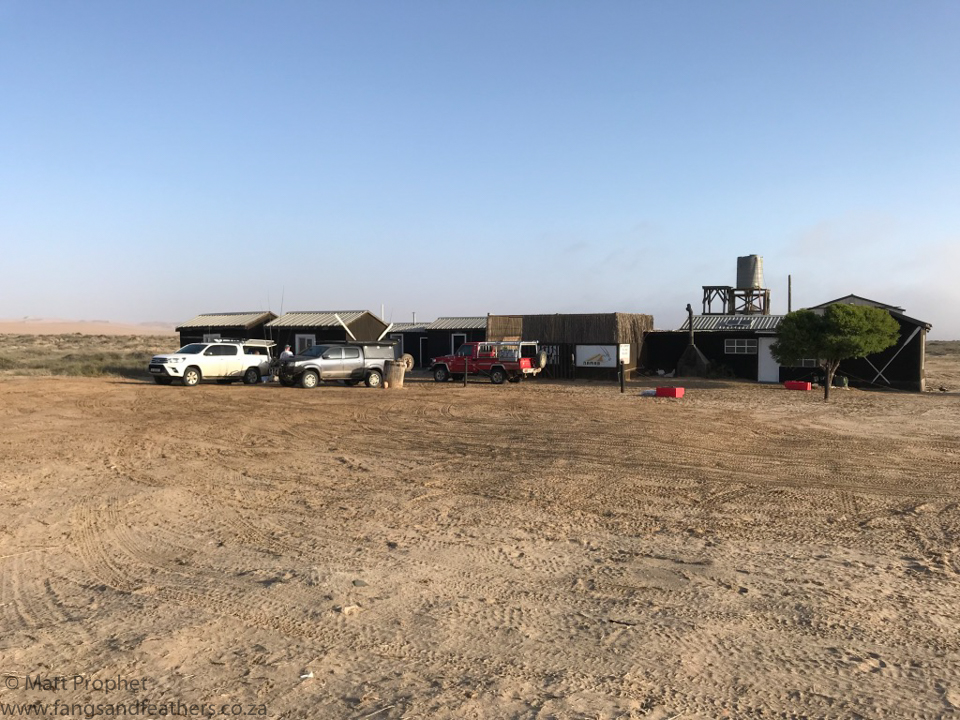
The Namdeb facility at Meob – commonly known as Fishersbrunn – dates back to the early 1900s, when water was discovered in the area during diamond exploration. The exact construction date of the buildings is uncertain, but they were originally manufactured in Germany and later reassembled on site.
One of the buildings bears a manufacturing date of 1866, making it potentially the oldest prefabricated structure in Namibia.
During the 1920s, Tidal Diamonds SWA started exploration in the are and erected the buildings at our camp – which was known as Fischersbrunn. The site supported a thriving garden that supplied fresh produce such as carrots, onions, tomatoes, cabbage, pumpkins, figs, and peaches to workers in the region. Surplus produce was even transported to Walvis Bay for sale.
In 1962, Consolidated Diamond Mines (De Beers as the major shareholder) began prospecting in the area under CDM supervision. Although CDM owned the buildings, the Oranjemund Angling Club (OAC) was entrusted with maintaining the facilities under strict environmental conditions. This stewardship has preserved the site far better than many comparable historic mining locations.
The OAC also pioneered early overland access routes through the dunes to Meob using traditional navigation methods.
By the 1990s, cooperation between OAC and government authorities – including Agriculture, Nature Conservation, and Fisheries – allowed controlled access to the area, which later formed part of the Namib-Naukluft Park. OAC’s monitoring and research activities still continues intermittently under official consent. In 1993, the area was declared a Marine Protected Area.


Our Contribution to Sustainable Fishing and Research
Marine Research & Conservation
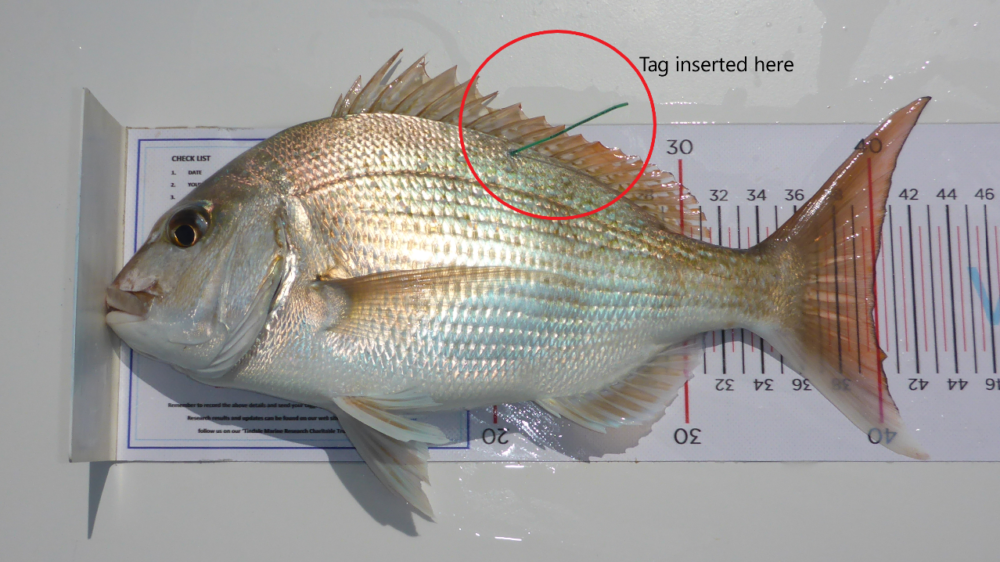
- Over 70,000 fish tagged and released
- Direct contribution to Namibia’s fishing regulations
- Ongoing support to the Ministry of Fisheries
Scientific & Environmental Support
- Collaboration with researchers and universities
- Discovery of the 2.5 million-year-old OACictes fossil
- Support for brown hyena monitoring programs
Academic Development
- Sponsorship of MSc and PhD research through UNAM
- Advancing sustainable fishing practices
Humanitarian Efforts
- Rescue and care of shipwreck survivors in remote coastal conditions
Looking Ahead
OAC continues to lead in sustainable marine conservation, working to expand tag-and-release programs across Namibia and strengthen scientific understanding of our coastal ecosystems